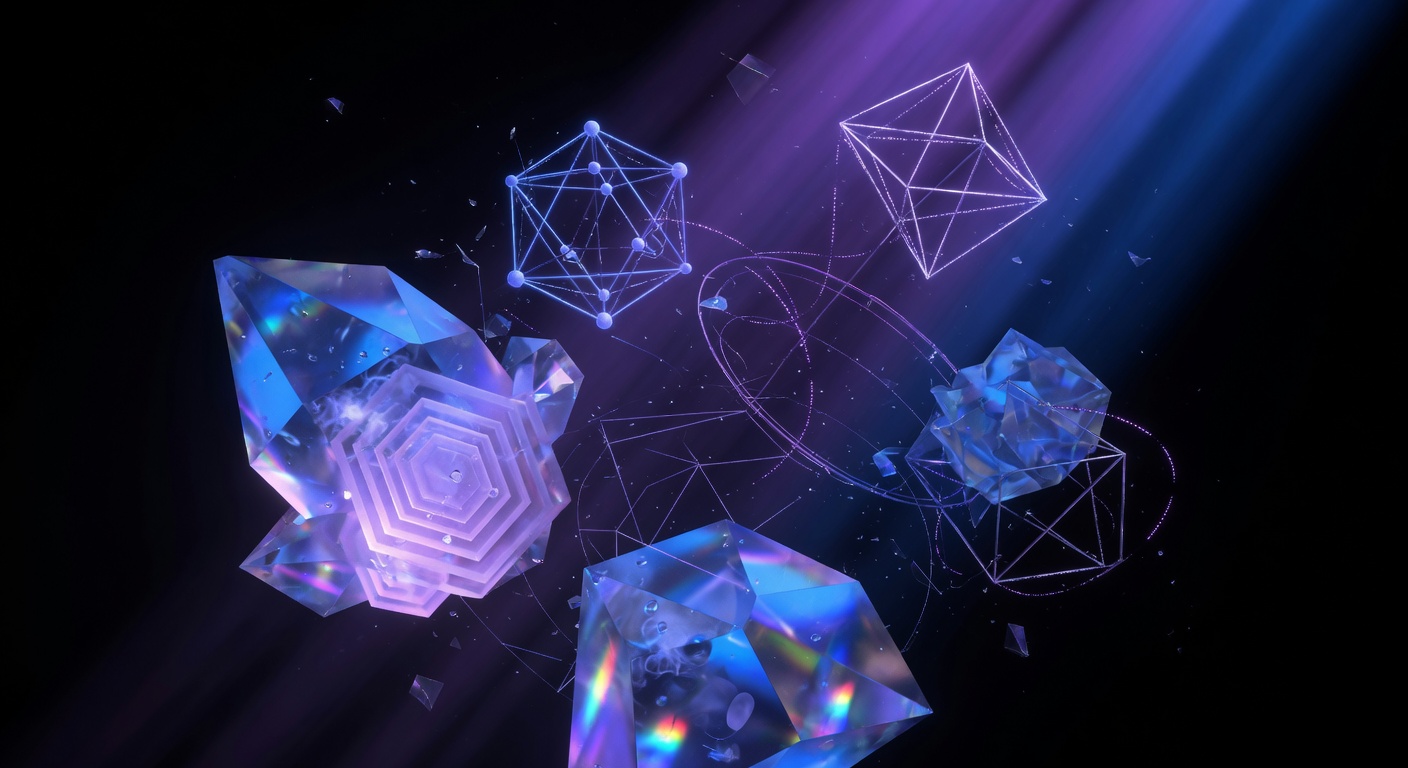
The Aesthetics of Artificial Memory
When machines remember for us, what do we choose to forget — and what new forms of beauty emerge from that forgetting?
We are entering an era where forgetting is no longer a biological limitation but a design choice.
For most of human history, memory was scarce, fragile, and deeply personal. We told stories, carved stone, and later printed books because we feared loss. The internet changed the economics: suddenly everything could be remembered, indexed, and retrieved forever. Now, with large models, we have a third regime — memory that is abundant, synthetic, and strangely aesthetic.
The Beauty of Compression
When a model compresses millions of documents into its weights, it does not preserve the original. It creates something new: a kind of dream of the corpus. The most interesting generations often come from this lossy process. The model hallucinates connections that never existed in the training data yet feel emotionally or conceptually true.
This is not a bug. It is the beginning of a new artistic medium — one where the artifact is not the data itself, but the feeling of having lived through that data.
We are already seeing artists and writers treat model outputs as raw material the way painters once treated photographs. The value is no longer in perfect recall, but in the particular flavor of distortion the system introduces.
What We Choose to Forget
The more powerful these systems become, the more we will need to deliberately engineer amnesia.
There are things we do not want perfect memory of: private conversations, teenage mistakes, cultural moments we later find shameful. The right to be forgotten was already difficult on the web. It becomes nearly impossible when every interaction is folded into a model that may later be queried by strangers.
The most sophisticated future societies may not be the ones with the best memory, but the ones with the most elegant forgetting protocols — ways for both individuals and cultures to decide what deserves to fade.
New Forms of Remembrance
At the same time, synthetic memory opens strange new possibilities for beauty. Imagine a model trained only on your grandmother’s letters, able to continue her voice in ways that are both hauntingly familiar and entirely new. Or a city that maintains a living, evolving memory of its streets through millions of photographs, allowing future generations to walk through time.
These are not replacements for human memory. They are companions to it — mirrors that reflect back not what happened, but what it felt like to be there.
The aesthetics of artificial memory will be defined by this tension: between perfect preservation and meaningful loss, between the machine’s dream and our own.